The following list of books have helped shape my view of leadership. I recommend these books to everyone.

This book was the catalyst for everything. I have immense appreciation for Admiral McRaven’s insights on ownership, responsibility, and the true nature of success.

Victor Marx has an incredible story, and his book, Dangerous Gentleman, is powerful and convicting. It gave me the fire I needed to pursue a better version of myself.

The Need to Lead is a fantastic book that draws on stories from Dave Berke’s life, transforming them into real-world leadership lessons applicable to any situation. One of the book’s most impactful quotes perfectly captures its philosophy: “I’m not looking for perfection. I’m looking for correction.”
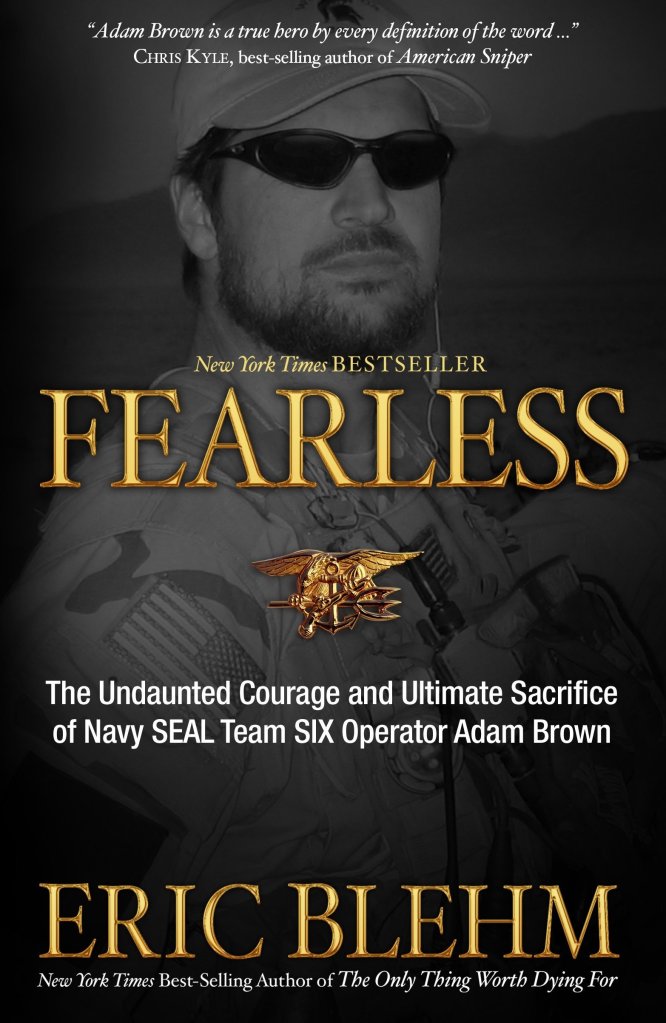
If you haven’t read this book, stop what you are doing and read it now. The story of Adam Brown is convicting, challenging, and truly eye-opening. It left me with a burning desire to be a better man for my wife, my children, and everyone I encounter. This is an absolute must-read!
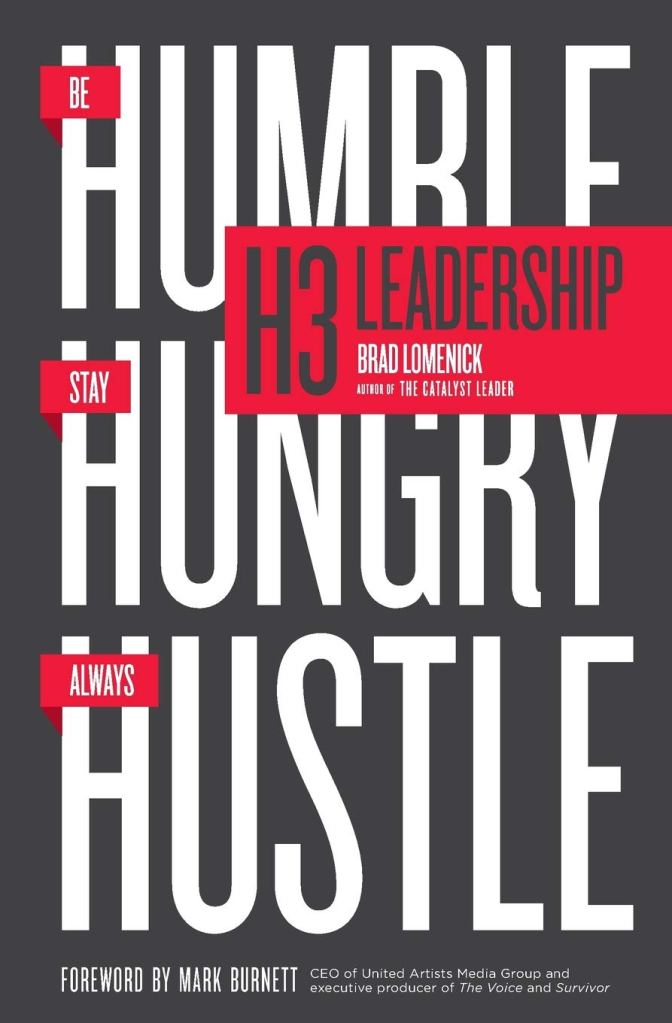
Brad Lomenick excels at explaining leadership from the inside out. His core challenge to leaders—to stay humble, hungry, and never quit—makes this one of my all-time favorite reads.

Jocko Willink and Leif Babin do a phenomenal job explaining the critical importance of taking ownership of our choices, actions, and leadership. Since discipline is a key element of successful leadership, a failure to embrace personal discipline and total ownership is a direct path to failure as a leader.

I recommend this book to everyone. This is a great book that explains how to have crucial conversation by taking our ego out of the problem. To quote the book, “It starts with the heart.”

Clay Scroggins does a phenomenal job of defining what leadership looks like from the perspective of a follower, demonstrating that influence doesn’t require a title. He challenges readers with his powerful conclusion: “You don’t need to be in charge to take charge.”

Dan Crenshaw does an amazing job expressing specific qualities that are needed in leadership, the need for perspective, and, most importantly, the ability to “be still.”

Captain Abrashoff outlines 10 leadership techniques that transformed the Navy’s worst ship into its best. These principles are: Lead by example, listen aggressively, communicate purpose, create trust, focus on results (not salutes), take calculated risks, go beyond standard procedure, build up people, generate unity, and improve quality of life.
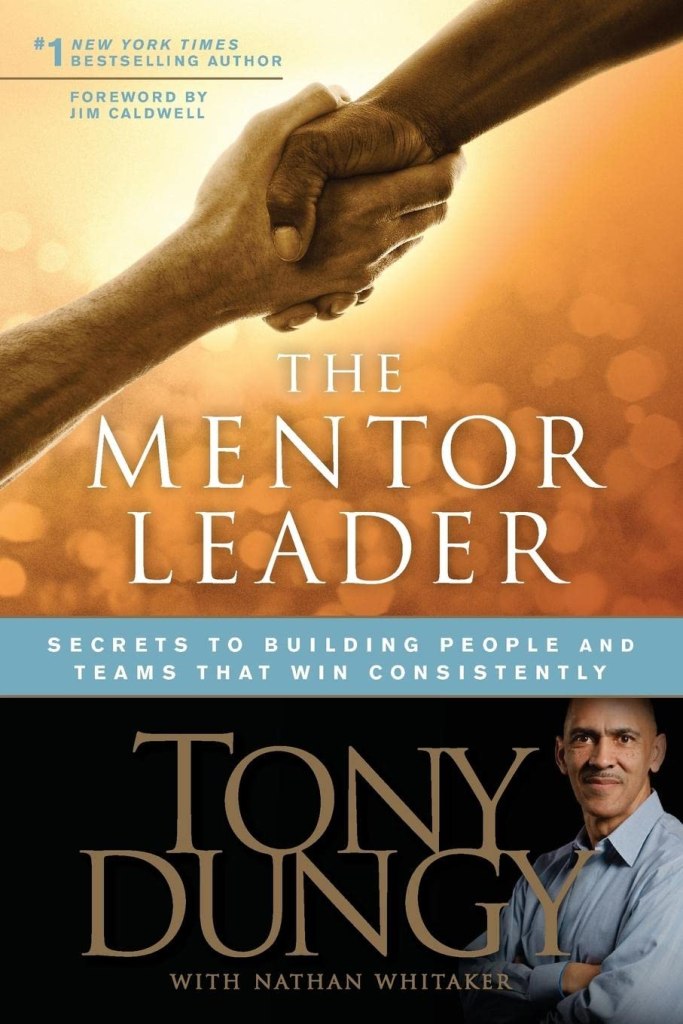
Tony Dungy provides excellent insights into the importance of servant leadership. His core message is clear: to be truly effective, leaders must actively invest their time and energy into serving the people they lead.

Todd Whitaker does a wonderful job explaining what honest, effective leadership looks like. He explains the importance of service in leadership.

This is one of the best autobiographies I have read. Chris Kyle was a true American patriot and hero. His unreal dedication to his country and respected leadership were evident; he knew his job and performed it flawlessly.
I recommend Start With Why to all leaders, potential leaders, and anyone seeking clear direction and purpose for their company, organization, or personal life. Simon Sinek does an excellent job demonstrating the importance of prioritizing the WHY before addressing the HOW and WHAT.

Angela Duckworth’s Grit is a great book that explains the importance of perseverance and how grit is a much needed characteristic for success.
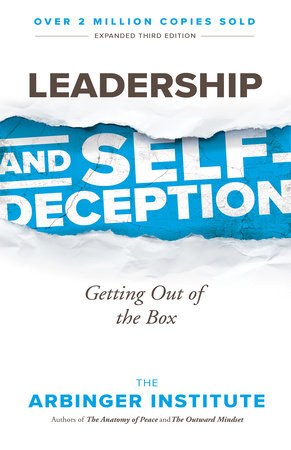
In Leadership and Self-Deception, the authors express the importance of seeing people as people and leading by example; a quality near forgotten these days.
 Selfless Leadership Is Purposeful Leadership