40 Years and Here Is What I’ve Learned

Two days ago, I celebrated my 40th birthday. As someone who believes in personal reflection, I thought it necessary to stop and consider the lessons I have learned in the 40 years of being on this beautifully created planet, and also consider what my next 40 years need to look like.

As a child, I grew up in a loving home with parents who worked hard to provide me and my sister with a good life. I had the dream childhood of growing up on acreage that was surrounded by trees and woods with no one around. The neighbors’ houses couldn’t even be seen. I spent most of my days outside running, digging, riding my bike, climbing trees, and just being a kid. It was amazing. All that changed when I was 13 years old. My parents filed for bankruptcy, and we had to sell our property. Life quickly changed. 

From the time I was 13 till about the age of 23, I was careless, thoughtless, and mindless when it came to anyone or anything else. If there was a deeper, more harsh word for selfish, I would put it here. I said and did so many stupid things that it is a wonder that I am still alive or not in jail. My teens and early twenties lacked discipline, focus, and most of all, compassion. This decade of my life created habits that were destructive and near impossible to break. It was during this time of my life that I lost one of the most important relationships to me – the relationship between me and my sister. By God’s grace, I was able to regain the relationship I had lost.

At the age of 23, I was given an ultimatum by my parents – go to college or move out. I chose college because I loved the free rent. Again, at this time of life, I was selfish and self-centered. I chose to go to Multnomah University in Portland, Oregon. This is a Christian University with a focus on Bible and Theology. I know, you’re probably thinking what I am thinking now, “Why would a kid who is selfish and self-centered choose a Bible college?” Honestly, I don’t know myself, except it was a place that might provide me with some structure.

I didn’t go to college to learn or get better. I was loving my life. I had more money than I knew what to do with, I didn’t have to answer to anybody, and all I cared about was finding the next feel-good drag. Life was sweet but very empty. That is until she walked into class. Her name was Summer Hutchison. She had the most beautiful, long brown curly hair, the most amazing brown eyes, and a smile that would make any rainstorm turn to the most beautiful sunny days. She walked with a bounce in her step, and she could command a room just by being in it. My life changed the day she walked into it. 

Between the ages of 23 and 25, I was becoming a new man. I was learning what selflessness, compassion, and real love looked like. This amazing woman walked into my life, and I knew that she was my soul mate. However, I also knew what kind of person I was and that I was nowhere worthy of even thinking I could be in a relationship with her. In the beginning phases of being twitterpated, I would act a fool trying to get her attention. I was loud and obnoxious, and all I wanted to do was make her laugh. For the first three months of getting to know her, I was still living like a fool doing everything I shouldn’t be doing.

During our first semester together, she made it clear that she was not there to date and that she was focused on her academics and studies. This didn’t stop me from trying, however. At the end of our first semester together, we finally got to go on a date. I told her that I thought she was pretty amazing, and that I wanted to pursue a relationship with her. She acquiesced to my request and said she would be looking forward to talking more over the summer – she was going back home to California for the summer. I told her I would call her.

A month into summer and I still hadn’t called her. I realized that I needed to do some growing up and make some drastic personal changes to my life before I was ever going to have a real chance with this woman. So I started cleaning up my act and getting rid of the people in my life who were not of good influence. Finally, after a month and a half of not calling, I was sitting in the parking lot of a Wendy’s at around 9 p.m. with my phone in my hand. I dialed her up and waited with absolute angst for her to answer. Her voice came over the phone, and I spilled my guts out to her. I told her, “I’m sorry I haven’t called you, I have been cleaning up my life. I need to tell you about me, who I am, and what I’ve been doing, and if at the end of everything I have to say you want to hang up and never talk again, I understand.” So I did. I shared it all. I shared all the dumb things that I was doing, all the stupid choices I had been making, and the life I was living. After I was done, I waited for her response. She said, “Thanks for telling me. And no, I don’t want to hang up.”

The next four years were a whirlwind. We started officially dating, we got engaged, graduated college together, and a few months later, at the age of 25, we got married. It was incredible. I knew that I had married the perfect woman for me and that we were going to be together forever – and then the honeymoon phase wore off. You see, she was a respectable woman who didn’t live the life I lived. She may have flirted with emotions and feelings, but she never let them overtake her. Me on the other hand, I went with everything and did it all. Now here I was, married to one woman, forsaking all others, and having a hard time coping with it all. I treated my new wife poorly because I was resentful of her. She was a young woman who had new and exciting emotions and feelings that she wanted to explore, and here I was rejecting her and denying her the ability to express and explore those feelings. (Side note, I wasn’t aware of this until years later). 

As time went on, we slowly started learning how to live with each other. Let’s be honest, sharing a life is not easy, and I, being someone who knew nothing but selfishness, made sharing a life with someone very difficult. All I knew was that I loved this woman and couldn’t imagine living life without her. I had to do a lot of introspection and learning, and I needed to start making changes in who I was. It also didn’t help that our plan for a career after we were married was also taken away from us, and we didn’t know what to do. You know, now that I am thinking about all of this again, maybe that happened for a reason – without our plans being disrupted, we wouldn’t have had to come together and learn to rely on each other for the next steps in our journey together. (Thank you, Jesus!)

At the age of 28, I went back to school to get my Masters in Education. For the first semester of school, I was on academic probation. Meaning, that if I didn’t hold a 3.5 or higher, I would be kicked out of the program for a year before I was allowed back in. I finished my bachelor’s degree with a 2.2 GPA. Let’s just say, I didn’t care about my academics and studies then. However, here I was now wanting to get my Master’s degree and because of my poor choices, I nearly missed my opportunity. I made it through my Masters with a 3.8 GPA – Statistics sucked! 

At the age of 29, I was filling out applications to schools all over the United States. Only one school called me back; the New Meadows School District. My wife and I left Portland, Oregon in August of 2011 to move to a little city with a population of 500 people to take a 4th/5th grade teaching position. Talk about a year of strife, struggle, and anxiety. I was considered the outsider, and in a small, rural Idaho town, outsiders are rarely if ever welcomed with open arms. 

By the time the first semester ended, I was already looking for another job. Yeah, that’s how awesome it was going. I was going in before the sun was up and didn’t get home until well after the sun went down. My wife and I rarely saw each other, as she was working in the town just east of us as a barista and social worker. However, we must have seen each other enough, since in March of 2012, my wife told me that we were pregnant with our first child. 

2012 was a year of living by faith. My wife and I had a theme song for that year – Chris Tomlin’s I Will Follow. The school I was teaching in was toxic and wasn’t doing anything good for me or my wife and I’s relationship. I told the principal of the school that I was not coming back even if he would ask me to stay. That year, my wife and I became homeless, and jobless, all while she was pregnant. It was another year that brought us even closer together. By the end of the summer, the Lord provided us with a job in the district that I currently work in – Mountain Home, Idaho. 

Since our move to Mountain Home in 2012, we have added four amazing children to our family, moved three different times, and have gained some amazing relationships with people in our community. I have also tried my hand at politics and ran for City Council, I worked as a firefighter for the city for 8 years, I have worked in other emergency services for Elmore County, I have served on numerous education and political boards, and I have earned a Doctorate degree. All in all, it has been a decade of trial and error, positives and negatives, and failures and learning.  

The question is, what have I learned through all of this? Firstly, life is an adventure. With that, we get to determine the adventure we want to have. We can sit on the sidelines and never really experience life due to fear, judgment, or condemnation, or we can choose to have the adventure of a lifetime where we can experience many great things. Life is unpredictable, and what we think we know doesn’t even compare to the things we don’t know. Life is about learning, growing, and becoming better. Who I am now is nothing compared to who I was, and honestly, I wouldn’t want it any other way. However, I wouldn’t trade what I have gone through for anything either. Who I am today is because of what I have gone through both good and bad.

Secondly, having someone to share life with makes all the difference in the world. We were created for community and relationships. However, to have a life partner means that we must no longer put ourselves at the front of the line. To make a relationship work, we must sacrifice ourselves for the betterment of our partner. We must always be willing to reflect, take ownership of our faults and failures, and be willing to work on ourselves to help, support, and add value to our partner. My wife is my best friend. She is the one I am willing to cry in front of, share my darkest secrets with, and be vulnerable with. She has made me a better man because she is an incredible woman. She saved me from a life of selfish degradation. She helped me find value in myself. She made me want to be a better man, and she still does every day.

Thirdly, without Jesus, there is no hope. Through all of the darkness in my life, my faith in Jesus has given me hope when none could be found. Jesus never fails. He is merciful and forgiving. He wants the best for us, but will never push His will on our lives. He gives us the choice between a life of blessings, brought through obedience to Him, or a life of cursings, brought on by our own selfish intentions and choices. He is faithful when we are faithless. He will never leave us or forsake us. He is standing at the door and knocking and will wait as long as it takes for us to open the door for Him. He is the giver of peace, the bringer of hope, and light in the darkness. He loves us no matter what, and he is willing to walk with us through the muck and mire that we get ourselves into. He was, He is, and He always will be.

Fourthly, the decisions we make today have a significant impact on our future, whether we think so or not. In the first year of marriage, I was resentful toward my new wife because of the choices and decisions I had made before I even knew her. My choices affected my relationship with my wife. I have a saying that I teach my students: “You are free to make whatever choice you want in life, but you are never free from the consequences of those choices.” Just because the consequence doesn’t happen right away doesn’t mean it will never happen. Be sure to stop and think about the consequences of the choices you make before you make them. Don’t just assume that becasue you didn’t see or feel any consequrences right away that you won’t have any. My consequences showed up many years after my choices.

Finally, aging is the most incredible experience there is. Looking back at who we were and comparing it to who we are now can be extremely enlightening. I know that I still have a lot of work to do to become better mentally, physically, and spiritually. Aging is a process that allows me the opportunity to try again and again. Every day I am given is an opportunity to be better; to grow and become the man I was called to be. Even though every day gets me closer to finality, I have learned that every day we are given is a gift and should never be determined by what we have done the days before it. We must live one day at a time, and be thankful for the days we are given. Do not take the day for granted. Seize every opportunity, and if you fail at something, reflect, learn, and keep moving forward. Life is meant to be lived, so live it well.

I am excited to have reached this 40-year milestone. I am looking forward to reaching the next milestone – God willing. And if I don’t, I pray that each day I am given will be lived in a way that positively affects those around me. Thank you, Jesus, for these forty years you have given me. I pray I can serve you better in the next 40. 

This One Is For All The Fathers

The doorbell rang the other day, and two young men stood before me. I say young men because neither of them had to be above 25 years of age. They were salesmen trying to get me to buy into what they were selling. As we talked, one of my daughters approached me to see who I was talking to. One of the young men asked if she was mine, and I smiled, “Absolutely! She is one of three daughters I have.” The young man told me his daughter had just turned one year old and asked me for advice. This was not an easy question to answer in our short time together, so I looked at him and said, “Our daughters need their daddy. Be present.” 

This got me thinking about fatherhood and what it means to be a father. I wrote a list of what I found to be valuable attributes of being a father. These are in no particular order, but the following is a list of fatherly attributes that fathers need to adhere to.

Love at all times

A father’s love is one of the most powerful gifts we can give our children. Love is not words we say at the end of the day when we put our children to bed. Love is an action, and more importantly, it is self-sacrificing. When we don’t want to sit in the rain and watch their soccer game, we do it anyway. When a project is due for work, and our son or daughter asks us to play, put down the laptop and play. Love is engaging, not passive. It says, “You are important, valuable, and mean the world to me, and I will do everything in my power to never let you forget that.” So with that, love at all times.

Be present 

Being present doesn’t just mean showing up. It means you are engaged in whatever your children are doing. Today’s society has this egregious habit of shoving their face in their phone. I have noticed that fathers are the worst at doing this. It’s like their phone is a third appendage that needs constant attention. I used to be that way. I was immersed in social media and stupid videos, and if it wasn’t that, I was dealing with work. I had to make a conscious effort to change my habits and behaviors. I got rid of social media from my phone and placed limits on work. When I first started this change, it was hard. However, over time, I found that I was having a more engaging time with my children, and I have grown to hold on to those moments. Be present. Engage with your children. Put the phone and distractions away and be there for your kids.

Be vulnerable 

This one is uncomfortable for most men. However, it is one of the most important things you can do for your children. Being vulnerable goes hand in hand with being humble. As a father, you will screw up. You will make mistakes. You won’t always get it right. However, what’s most important is when fathers can take ownership of their mistakes and failures and seek to rebuild relationships with their children. There have been times when I have come down too hard or was over the top with my reaction toward my children. During those times, I have to humble myself in front of my children, admit my faults, and ask for forgiveness. If I didn’t address my failure as a father in those moments, I would have slowly started to sever the relationship with my children, and that’s one relationship I never want to lose. Bottom line, when you make mistakes toward your children or in front of your children, humble yourself, be vulnerable, and seek to build strong, positive relationships with your children. 

Listen 

This goes with being present. Our children want our attention. They want to know they have our attention and are important in our eyes. To do this, we must listen to our children no matter how unimportant the information they want to share. Listening shows our children we care about them and what they have to tell us. This will lead to strong relationships later in life. If we haven’t shown our students that they matter to us and that we want to hear what they have to tell us, then when our children become teenagers, we will never be in the loop of what’s going on in their life. Listen attentively and show your children that they are essential. 

Be the example

Fatherhood is a position that comes with tremendous responsibility. One of our most important responsibilities is to be an example of love, respect, honor, integrity, and discipline. Our children look to us to show them how to live life rightly. Be the person you want your children to become. Show them what it looks like to treat their mother well by treating your wife well. Show them what love looks like by sacrificing your wants for their needs. Show them what respect looks like by how you interact and react with others. Our children are always watching us. They want to see how we act, respond, work, etc. We need to be an example for our children. Think about your actions and words before you make them and speak them.

Be slow to speak and slow to get angry

Your children will inevitably anger you. Before you respond, take a breath and pause. Be angry, but don’t allow your anger to control you or your actions. When we allow our anger to dictate our actions and words, we damage our children emotionally and mentally. Will you mess up? Absolutely, but that is when you become vulnerable. Admit the error of your ways and use it as a teachable moment with your children about what not to do and why it wasn’t okay to allow your anger to control you. Anger is a part of who we are, but it is our choice to allow anger to control us. We must be better men, better husbands, and better fathers. We need to step back, breathe, and speak in love. 

Date your daughters 

This sounds weird, but in reality, it is the father’s responsibility to help their daughters set the expectations for the boys that come into their lives. Show your daughter(s) how a real man should treat them. Take them out, open the door for them, talk with them at dinner, and truly engage with them. Listen to their joys and their struggles. Don’t use it as a time to correct their behavior or change what you don’t like. Use it as a time to get to know your daughter. Ask them questions without having to solve their problems. Be attentive to what they are telling you. My favorite thing to ask my daughters is how I could be a better father. What would they like to see me change about myself? Ultimately, I want my daughters to know that I care about them, love them, and value their input and ideas. With that, I want them to never settle for a boy who doesn’t appreciate them or their opinions. I want to be the example they look to for a future partner in life. I am their example of what a real man should be, so I must be that man.

Teach your son(s)

Spend time with your sons one-on-one. Teach and show them what a real man is and how they should act. Teach them the importance of respect, honor, integrity, and discipline. Here’s the clincher: you must be that man. Do not give your son lip service. Teach your son through your actions. Be a man of respect, honor, integrity, and discipline. Teach your son the value of hard work and taking ownership of their choices. Teach them to love their mother and to treat her with respect. My father told me when I was young that how I treated my mother would be how I would treat my wife. I wish I would have listened to him then. I was rude and disrespectful to my mother growing up. That is exactly how I treated my wife during my first few years of marriage. When I finally realized what I was doing, I worked hard to change my actions and behaviors toward my wife. Bottom line, we are their example of what a real man should be, so we need to be that man. 

Be patient 

This is challenging for most men. Patience is essential to building strong, positive relationships with your children. I struggle with patience, and I have seen the effect of what being impatient can do to my children. I am in a constant battle with myself over my inability to be patient. I know how important it is to build up strong, capable, and patient children. They deserve my patience. As men, we must keep ourselves in check and practice patience with our children. The relationship with our children should be a top priority, and being impatient can hinder that relationship. 

Be a father, not a friend 

A father’s job is to guide their children to do what is right. Speak truth into your children’s lives, no matter how hard that truth is to hear. Discipline your children with consequences that match the crime. Hold to those consequences and don’t waiver because you don’t like seeing your children suffering. You need to remember, their own choices brought on their suffering. This is where being a father is hard. We need to allow our children to suffer because of poor decisions. This is where they learn to become better. Ensure you are not being overly aggressive or harsh in your consequences. We must remember, “Fathers, do not exasperate your children. Instead, bring them up in the training and instruction of the Lord” (Ephesians 6:4). Also, “Fathers, do not embitter your children, or they will become discouraged.” (Colossians 3:21).

Surround yourself with real men 

As a father, you need to set an example for your children. If you don’t have one for yourself, you won’t be able to set one for your children. Surround yourself with real men who are good role models. It’s time to drop the loser friends and surround yourself with men of good repute. To be a good father, we need other men who will encourage, strengthen, and support us in our fatherhood. We need men in our lives who are good examples of what being a father looks like. If all you and your friends want to do is sit around, drink beer, and play games, you are already a loser dad. However, if you and your friends want to be outdoors, go on hikes, go hunting, etc., then bring your children and speak into their lives. Surround yourself with men who want to be good fathers and know what it takes to be a good father. If you don’t have men like that around you, seek them out. Hint: A bar is not a good place to find these men. Read books. Educate yourself on what a good father looks like and how they should act. 

Book Recommendations:

Raising Men by Eric Davis
Being A Dad Who Leads by John MacArthur
The Intentional Father by Jon Tyson
You Have What It Takes by John Eldredge
Be The Dad She Needs You To Be by Dr. Kevin Leman

Men, it’s time to stand up and be engaged and intentional fathers to our children. It’s time we intentionally build relationships with our children and lead by example. It’s time to give up selfishness and selfish ambitions. It’s time to be engaged, present, authentic, and humble. Let’s give our children a great example of how real men should live life.

Draw Near

“Draw near to God, and He will draw near to you” (James 4:8a). Did you know that your relationship with God is based on the work you are willing to put into it? James made this very clear by stating that we must draw near to God if we want God to draw near to us. However, it is essential to understand that drawing near to God doesn’t mean testing or trying God to see if He is there. Jeremiah made this very clear when he quoted God, “You will seek me and find me when you seek me with all your heart.” (Jeremiah 29:13). If we want to have a relationship with God that is purposeful, meaningful, and real – we must take the first step and draw near to Him.

James 4:8 doesn’t end with God drawing near to you. James goes on to say, “Wash your hands, you sinners, and purify your hearts, you double-minded.” It is important to understand who we are drawing near to. God isn’t the queen of England, the President of the United States, or any other important figure. God is God. He is Yahweh. He is the Creator of the universe who can measure the distance of the universe with the span of his hand (Isaiah 40:12). He is the Alpha and Omega, the beginning and the end. We are not drawing near to just anybody. We are drawing near to the great Almighty. We must purify our hearts, repent of our sins, and humbly approach Yahweh to draw near to God.

It is more than just opening the Bible and saying a prayer here and there. To draw near to God, we must seek Him with ALL of our heart (Jerimiah 29:13). Before marriage, two individuals who fell in love sought each other with all they had. They spent as much time together as possible. They had an affection for each other that was unmatched. Each person would choose to spend their time with the other over anything else. They would travel many miles if needed to be in the other person’s presence. They would spend hours on the phone talking or not talking. Overall, they didn’t want to be away from each other unless they had to be. This kind of dedication and pursuit is the same that we need to have with Yehwah. 

After a few years of marriage, something tends to happen between the two people who fell madly in love and want to spend all their time together. Life sets in, and the passion they once had starts to fade. It doesn’t mean they don’t love each other, but their passion and desire to spend every minute together becomes less important. Other things become a priority – jobs, children, chores, hobbies. These things begin to take up each person’s time, and the passion they once had slowly fades or is replaced with something else.

Our relationship with God is very much the same. For those who found God and His marvelous love and mercy He has for His creation, their relationship with Yahweh was unmatched. They would sit for hours reading the Word of God. They would go off by themselves and sit in the presence of God. They would blare worship music and never wanted to be away from God’s presence. However, as time progressed, life got in the way. The passion they once had for God slowly gets replaced with other things in the world, and the dedication and passion that was once so strong slowly fades away. I speak from personal experience.

We then question where God is in our lives, and sometimes we might even doubt His existence. Even though we have sat and basked in his presence, we allowed our passion and desire for Him to fade to the point that we don’t even know if He is real. We blame Him for abandoning us. We blame Him for not being present in our life. However, the reality is that we are to blame for it all. We chose to stop pursuing God. We decided to allow other things to take His place. We let the god of this world fill our heads with lies about Yahweh, and our relationship with Him slowly faded. You see, God never departed from us. He never stepped away and left us alone. We did all of that on our own.

Just like in marriage, if a married couple is not careful to pursue their spouse, spend quality time with them, and give them love with all that they are, their relationship begins to crumble. Each person in the marriage will slowly find other things to fulfill their needs and their wants rather than finding it in the person that once fulfilled those wants and needs once before. A marriage takes work and dedication. Marriage is unlike any other relationship. Marriage is a relationship that is grounded on dedication, commitment, and, most importantly, love. When bad things happen in a marriage, there tends to be a tendency to blame the other person for the problems in the marriage. However, there shouldn’t be pointing fingers and blaming. It should be time for both individuals to search their hearts and seek to rebuild their relationship with the other person. To do that, each person must humbly draw close to each other and regain the love that they once had. They must shed the distractions and other things they have allowed to take precedence in their lives. When they have done that with all of their heart, the marriage will once again thrive, and the couple will rediscover what they once already knew about their spouse.

When we stop putting our focus and attention on Yahweh and start putting our attention on the newest shiny object or the mundane activities of life, our relationship with God suffers. And because we are selfish sinners, we tend to blame God or accuse Him of walking away from us when in reality, it was us that walked away from Him. Nevertheless, there is hope. When we choose to repent, cleanse our hands, purify our hearts, and seek after Yehwah with all of our heart, we will find that He has been there the whole time, ready to pick up where we left off. 

We must be the ones to initiate the rebuilding of the broken relationship we caused. We must draw near to God. It is then that God will draw near to us. God values relationship and wants an intimate, authentic relationship with you and me. However, God allows us to dictate what that relationship looks like. He never forces us to have a relationship with Him. He gives us the benefits of what happens when we choose to have a sincere, authentic relationship with Him in His word. He is not a controlling God. He is a jealous God, but He is not manipulative or demanding. He allows us to determine our paths in life. 

As we build relationships in our own life with those around us, we tend to put worth, focus, and trust in relationships that are real, sincere, and meaningful. That kind of relationship is few and far between. Most of the relationships we have in our life are acquaintances and passing friendships. We won’t share our deepest secrets with these people as we would with those who we are closest to. They have yet to earn our trust due to not knowing them as deeply as we do the ones we have dedicated our time and energy to. The relationships closest to us are the ones we value the most. God is no different.

Yahweh wants a close, intimate, and sincere relationship with us. He wants to share His deepest secrets with us. In Psalms 24, the psalmist says, “The LORD confides in those who fear him; he makes his covenant known to them” (Psalms 24:14). Another version puts it this way, “The secret of the Lord is with those who fear Him, and He will show them His covenant.” Notice that the Lord wants to share with us His secrets. However, He only does this with those who fear Him. The word “fear” doesn’t mean “to be afraid of.” Instead, ” fear ” in this context means “to revere, honor, and obey.” Many of us, especially in Western society, have lost what it means to “fear” the Lord. How can we ever expect a deep, intimate, meaningful relationship with Yehwah if we no longer fear Him? 

The same concept applies to the relationship we have with our spouse. If we no longer honor or respect our spouse, how can we expect to have a lasting, meaningful relationship? When we no longer see our spouse as someone who deserves our love, respect, admiration, etc., our relationship with them begins to fall apart. Our relationship with God is very much the same. If we don’t truly understand the authority and power of God and show him reverence, honor, and obedience, how can we expect to know and understand God? When we draw near to God, let us do so with great fear. 

The next time you wonder where God is in your life, or whether or not He even exists, look in the mirror and determine what you have done to no longer seek God with all your heart and how you no longer fear Him. What things have you replaced God with? What has your attention? God wants a relationship with you, but He will never force you to have a relationship with Him. He will allow you to determine the kind of relationship you want to have with Him. Draw near to Him, and He will draw near to you!

Heart’s Desire

Have you ever wanted to have a relationship with God like the kind of relationship you have with your spouse or your close friends? Have you ever wanted to hear and know the voice of God? Have you ever wanted to see God the way the prophets and disciples say Him? I ask these questions because I have always longed for this. For as long as I can remember, I have wanted to walk and talk with God and hear his voice. A couple of days ago, this desire was ever pressing on my heart, and I stopped and asked God how this could be a reality. I wanted to have a relationship with Him like the prophets in the old testament had with Him. He showed me a revelation I knew but didn’t pay close enough attention to. 

I became interested in the prophet Elijah in the Book of Kings. He has always been a figure in the Bible that has stuck out to me because of how he walked and talked with God. After all, Elijah never died. He was taken from this earth on a flaming chariot to heaven. However, his life on earth was not an easy one. King Ahab and Queen Jezebel, both of whom were beyond wicked, chased him and wanted him dead. 

God told Elijah to present himself before King Ahab and call him out for his misdealings. He even called out the prophets of Baal, the false god of the Cannonites. Queen Jezebel was the one who persuaded King Ahab to worship Baal and follow after him. For as long as Jezebel reigned, her goal was to rid the earth of the prophets of the One true God. However, God used Elijah to put Queen Jezebel and the prophets of Baal to shame. Elijah challenged King Ahab to a “god” duel per se. He told Ahab to gather all of the prophets of Baal, some 450, at the top of Mount Carmel. They would build two altars there, one to Baal and the other to YHWH. Elijah proclaimed in front of the assembly that whoever’s God would light the altar on fire is the One true God. 

Elijah encouraged the prophets of Baal to go first. As tradition would have it, the prophets of Baal danced around the altar and cried out to Baal for him to hear them and light the altar on fire. This went on for some time, and after a while, even Elijah decided to jeer the prophets by telling them to speak louder because “maybe Baal was too busy or couldn’t hear them.” As the prophets kept dancing and shouting out to Baal, they eventually started cutting themselves with swords to get Baal’s attention. Finally, the prophets of Baal were too tired to continue, and Elijah took his turn.

Elijah rebuilt the altar of the Lord with 12 stones, one stone for each of the twelve tribes of Israel. He dug a trench around the altar and filled it with 24 pounds of seeds. He then told the people to fill four large jars with water and pour it on the offering and the wood. He then told them to do it two more times. The water used not only drenched the offering and the wood on the altar but ran down and filled the trench. He then prayed:

“Lord, the God of Abraham, Isaac and Israel, let it be known today that you are God in Israel and I am your servant and have done all these things at your command. Answer me, Lord, answer me, so these people will know that you, Lord, are God, and that you are turning their hearts back again” (1 Kings 18:36-37).

When Elijah finished his prayer, the fire of the Lord fell and burned up everything. It burned the offering, the wood, the stones, and even the water in the trench. When the people witnessed this, they fell to the ground and proclaimed YHWH as God! Elijah then told the people to seize all the prophets of Baal and kill them. When Ahab returned to Jezebel, he told her what Elijah had done. Queen Jezebel sent messengers to Elijah saying, “May the gods deal with me, be it ever so severely, if by this time tomorrow I do not make your life like that of one of the prophets you killed” (1 Kings 19:2). At this, Elijah ran for his life.

At this point, you are probably wondering why I would ever want to have a relationship with God like the prophets of old. To put it simply, because of what happened next with Elijah. As Elijah fled, He found himself asking God to end his life. He felt alone and afraid. Elijah found himself under a bush and fell asleep. An angel touched him on the shoulder and told him to eat. Twice this happened, and the angel told Elijah that the journey he was about to embark on was “too much” for him. He then got up and traveled for forty days. He eventually found himself on  Mount Horeb. He found a cave and spent the night inside. The Book of Kings says: 

“And the word of the Lord came to him: ‘What are you doing here, Elijah?’ He replied, ‘I have been very zealous for the Lord God Almighty. The Israelites have rejected your covenant, torn down your altars, and put your prophets to death with a sword. I am the only one left, and now they are trying to kill me.’ The Lord said, ‘Go out and stand on the mountain in the presence of the Lord, for the Lord is about to pass by.’ Then a great and powerful wind tore the mountains apart and shattered the rocks before the Lord, but the Lord was not in the wind. After the wind, there was an earthquake, but the Lord was not in the earthquake. After the earthquake came a fire, but the Lord was not in the fire. After the fire came a gentle whisper. When Elijah heard it, he pulled his cloak over the face and went out and stood at the mouth of the cave. Then a voice said to him, ‘What are you doing here, Elijah?'” (1 Kings 19:9b-13).

God spoke with Elijah. He talked to him in a whisper. This is a lesson that many of us have forgotten – God doesn’t speak in the loud and crazy. The Lord speaks in whispers. The Prince of this world has done a phenomenal job of distracting us with noise that we no longer hear the whisper of God. We are constantly surrounded by noise, distractions, and chaos that we no longer know how to hear or even know the voice of the Lord. To know God, we must learn to be still. We must remove the distractions that the Devil has placed in our life to keep us from hearing YHWH’s voice. This is why scripture says, “Be still before the Lord, all mankind, because He has roused himself from His holy dwelling” (Zechariah 2:13).

Fast forward some 900 years, and the Lord left His glory and throne in heaven to walk and live among His creation. He came to die so that He might reunite with His creation and have a deeper relationship with all of humanity. While He was here, He chose twelve men to be his disciples. One disciple, in particular, had such great zeal for the Messiah that he would often open his mouth and put his foot in it. However, he walked closely with Christ. So closely, that during a wild storm, he called out to Jesus from the boat to walk out on the water and meet with Him. Jesus told him to “Come,” and he threw his feet over the side of the boat, placed them on the water’s surface, and stood up as if he was standing on solid ground. He kept his eyes on Jesus for the first few steps as he made his way toward the Messiah. However, the waves and the chaos of the sea grabbed his attention, and he became afraid. It was then that he started to sink into the water. He cried out to Jesus saying, “Lord, save me!” Matthew records the incident and writes, “Immediately, Jesus reached out his hand and caught him. ‘You of little faith,’ He said, ‘Why did you doubt?'” (Matthew 14:31).

Many times in my life, I have seen myself in Peter. I have such zeal for Christ, but I sink and lose out on opportunities due to fear and distractions. More than anything, I want to live, breathe, and act in such faith that I can see and hear the Lord. I want it more than life itself. Some might say, “See, this proves there is no God, and you are wasting your time.” The only response I have to that is – There is a God. He is the Creator of the heavens and the earth. He was before all things, and without Him, nothing was made that has been made. He is the one true King, the savior of the world, and there is no other like Him. He is very much real. I do not see Him or hear Him because I have failed to seek Him. I have allowed the father of lies to entice me to think I am at a loss. I have let the father of deception distract me with the ways of this world that I have forgotten how to be still and listen to the whisper in which He speaks. Just because I can’t hear or see Him doesn’t mean he doesn’t exist. It means that I am to blame for my failure of not being able to see and hear Him. 

I want a relationship with my Creator like Elijah, Peter, Paul, and the Apostle John did. I want to hear Him, see Him, feel Him, and know that I am standing in His presence. I want it with every fiber of my being. YWHW said, “You will seek me and find me when you seek me with all your heart” (Jeremiah 29:13). For too long, I have neglected giving Jesus ALL of my heart. This is why I have failed in my search for Him. He has always been there, but my heart has been distracted by every little breeze. For too long I have allowed the things of this world to capture parts of my heart. I say, “ENOUGH!” Enough with allowing the father of lies to keep me from giving ALL of my heart to my King! Enough with being enticed by every little whim that comes my way! Enough with the distractions that so easily entangle me! 

Lord, hear my prayer. Hear my cry to you now. Forgive me for allowing the things of this world to keep me from giving You my all. Forgive me for allowing the distractions and chaos of this life to drown out your sweet whispers. I ask, Lord, with ALL that I am, that You would bring me into You. With ALL that I am, I ask that you speak to me. Please open my eyes, Father, that I might see You. Open my ears so that I might hear Your whispers. Please help me to keep my eyes focused solely on You. Father, I am a sinner in need of saving. Jesus, I ask that my faith would forever grow. I want You, Lord, more than life itself. Nothing in this world compares to You. Nothing is worth giving my heart to more than you. Today, Lord, I lay it all down before You and ask that You would teach, guide, walk, speak, and be a part of everything I do. In Jesus’s name, I ask all this!

The Mindset of Christ

“In your relationships with one another, have the same mindset of Christ: Who, being in very nature God, did not consider equality with God something to be used to his advantage; rather, He made Himself nothing by taking the very nature of a servant, being made in human likeness. And being found in appearance as a man, He humbled himself by becoming obedient to death – even death on a cross!” (Philippians 2: 6-8).

There are many kinds of mindsets we can take on in this world. There’s a winning mindset, a loser mindset, a focused mindset, and, my favorite, a disciplined mindset. Recently, I found that the Apostle Paul talked about a mindset that is rarely, if ever, discussed – the mindset of Christ. Based on the world’s standards, it is not a very glorifying mindset. But let’s be honest, anything that is glorified by this world is usually the opposite of God and His commands. Out of all the mindsets we can take on, this mindset is the one that matters most.

According to the Oxford Dictionary, Mindset is “the established set of attitudes held by someone.” The Apostle Paul said that we should have the same mindset as Christ. We need to ask, “What set of attitudes did Christ have?”. Paul gives us a small idea. “He did not consider equality with God something to be used to His advantage.” “He made Himself nothing by taking the very nature of a servant.” “He humbled Himself to the point of death.” For Paul, this was the focus of his letter to the Church of Philippi, but is there more the mindset of Christ than these principles Paul writes about?

The principles Paul includes are foundational for the mindset of Christ – humility and service. Both of these qualities are the opposite of the world’s mindset – position and power. Jesus, the Son of God, the Creator of the world, the King of kings, stepped down from his throne of power and position, became nothing, was beaten, mocked, and ridiculed, and died on the cross for humanity. Go back and read that again. The Creator of humanity died for His creation. Let that sink in. What better example of humility and service is there?

Let’s go a little deeper. John wrote, “In the beginning was the Word, and the Word was with God and the Word was God. The Word became flesh and made His dwelling among us. He came to that which was His own, but His own did not receive Him” (John 1:1, 11, 14a). Jesus was in the beginning; He helped create humanity. He watched as His creation turned their back on Him and chose to serve themselves and the prince of this world. He watched repeatedly as His chosen people turned their back on him. He wanted nothing more than to have a relationship with his creation. To open the door for humanity to have a whole, authentic relationship with Him, He stepped down from His throne, lived with humanity as a servant, and gave His life for the ones that chose to walk away from Him in the first place.  

When was the last time you sacrificed yourself for someone who turned their back on you and treated you with disgust and disdain? Our finite minds cannot comprehend this kind of mindset. We want justice. We want to be right. We want those who hurt us to hurt in return. This is the mindset of this world. Yet the mindset of Christ looks past the hurt, brokenness, pride, and stubbornness. The mindset of Christ chooses to serve through humility and love rather than justice and self-righteousness. 

It would have been easier for God the Father and Jesus Christ to start over. Erase the mistake of humanity and try again with a new creation. A potter begins to mold a vessel. If that vessel becomes too weak or unstable, the potter smashes it back down and starts again. However, some potters see imperfections as beauty and will do what they can to finish the unique piece, blemishes and all. This is what Jesus Christ did for us. He created humanity with His Father in Heaven and called us good. He gave us free will to choose the path we wanted to walk in life. Humanity craved equality with the Creator, so they disobeyed His simple command and broke the relationship with YHWH. 

Jesus Christ, who is God and has equality with God, chose to make himself unequal to God and took on the form of humanity. His mindset was not focused on power and position. He didn’t claim equality with God even though He very much had it. His mindset was one of humility. You see, power doesn’t present love. A commanding presence doesn’t demonstrate love. Service is the highest level of love we can give each other. This is why Jesus said, “Greater love has no one than this: to lay down one’s life for one’s friends” (John 15:13). Humility is the ultimate embodiment of love. 

What does humility look like? Anyone can admit they are wrong or turn the other cheek, right? Humility is much more than this. The servant is the greatest example of humility. A servant does not live in self-righteousness. A servant will do the worst task without complaining. A servant will be obedient no matter what. Does that mean we obey others? Not exactly. The Apostle Peter wrote, “Humble yourselves, therefore, under God’s mighty hand, that He may lift you up in due time” (1 Peter 5:6). The first step in humility is to humble ourselves before God. The mindset of Christ would say, “Love the Lord your God with all your heart, mind, soul, and strength, and love your neighbor as you love yourself.” Did you catch that? The order for humility goes – God, others, then ourselves. This is Christ’s mindset.

Jesus humbled himself and became obedient. He didn’t obey the religious leaders. He didn’t bend to the will of the government. Jesus was obedient to His Father in Heaven. He knew what He had to do and submitted himself to His Father’s will. A Christ mindset is one of total submission to YHWH. Even when He didn’t want to go through the pain and agony of betrayal, beatings, and crucifixion, He chose to submit to His Father, who raised Him up and glorified Him through the resurrection. 

None of us have been called to die for the world, as that has already been fulfilled through Christ Jesus. We have, however, been called to love our neighbors. We have been called to walk the extra mile, give the shirt off our backs, and give to those in need. You see, the mindset of Christ is one of pure dependence on Jesus. It’s about being uncomfortable doing the things the world finds strange, appalling, and ridiculous. It’s about living a life of sacrifice, humility, and obedience to YHWY and His word. 

With all the mindsets that are preached in this world, consider having the mindset of Christ. It is only through Him that we become winners. It is only through Him that life has meaning. Consider humility, obedience, and sacrifice something to be cherished rather than things of which to be ashamed. “In your relationships with one another, have the same mindset of Christ: Who, being in very nature God, did not consider equality with God something to be used to his advantage; rather, He made Himself nothing by taking the very nature of a servant, being made in human likeness. And being found in appearance as a man, He humbled himself by becoming obedient to death – even death on a cross!” (Philippians 2: 6-8).

Be At Peace With Everyone!

“If it is possible, as far as it depends on you, live at peace with everyone” (Romans 12:18). 

I love how the Lord works in my life. I pray every day for Him to help me be more like Him in my actions, thoughts, and words. Being human and struggling with pride and anger, I often fail at being like Jesus. However, I have learned that reflection and repentance are vital in growing to be more like Christ. With that said, this blog post is real, relevant, and very personal to me. I write this post knowing that I don’t always get it right, and I struggle many days to be the man God has commanded me to be. Only by His grace am I worthy of His love and forgiveness. Excuses will never find their way to the Lord’s ear, which is why I have no reason for choosing to follow the ways of this world at times, and when I do, I am ashamed of my actions and words. But thanks be to the King of kings and Lord of lords for His grace, mercy, and forgiveness. As Paul wrote, “What a wretched man I am! Who will rescue me from this body that is subject to death? Thanks be to God, who delivers me through Jesus Christ our Lord!” (Romans 7:24-25).

I tend to allow anger and pride to seep into my life and plant seeds that grow into weeds that do nothing but block the goodness of God and hinder me from becoming the man God has called me to be. I have struggled with anger for the majority of my life. Throughout my twenties and thirties, pride became a significant issue for me as well. These two qualities caused dissension and animosity toward others. I would build walls, burn bridges, speak poorly of others, cause emotional and mental harm for others, and I wouldn’t care who I hurt with my words or actions. I had a darkness about me in my younger years. The day I met my wife, that darkness slowly started to fade. Today, the darkness is still there, but it is much less than it used to be.

Why all of this backstory? I want you to know that I have struggled, and still struggle, with forces not of this world. Sometimes, I fall prey to the lies and deception that sound so good, resulting in broken relationships. I also want you to be encouraged to know that any darkness can be overcome. When we submit ourselves to the authority of Christ and seek after Him, darkness can not touch us. When we succumb to the devil’s lies and deceit, we must recognize our failures and repent. 

The title of this post is “Be At Peace With Everyone!” This is not easily done, nor does it come naturally. Paul wrote in Romans, “If it is possible, as far as it depends on you, be at peace with everyone” (Romans 12:18). There are two things that I want to discuss in this verse. First, “If it is possible…”. Second, “…as far as it depends on you…”. The command we are called to is to “be at peace with everyone.” This comes down to our hearts being submitted to God. We must look to Christ as our example of what it means to be at peace with everyone. 

“If it is possible…” There will be times when peace may not be possible. However, this doesn’t mean we choose not to be at peace. This means that we cannot control the actions, attitudes, and words of others, but we can take control of ourselves. To think that everyone will like us throughout life is a bit ignorant. And if this is the case, I would question your commitment and relationship with God. After all, the Apostle John wrote, “Do not be surprised, my brothers and sisters, if the world hates you” (1 John 3:13). 

“…as far as it depends on you…” It is up to each of us to be at peace with others. We are responsible for our actions and words. Just because people may not be peaceful with us doesn’t mean we shouldn’t be at peace with them. “Love your enemies and pray for those who persecute you, that you may be children of your Father in heaven. He causes His sun to rise on the evil and the good, and sends rain on the righteous and the unrighteous” (Matthew 5:44-45). To do this, we must take everything and place them at the feet of Jesus. We must trust that He is in control. The moment we try to take control, all peace is lost.

Jesus Christ is the absolute embodiment of peace. After all, Isaiah said, “For to us a child is born, to us a son is given, and the government will be on His shoulders. And He will be called Wonderful Counselor, Mighty God, Everlasting Father, Prince of Peace” (Isaiah 9:6). Throughout Christ’s life, he lived in peace with all humanity – even the ones who wanted to kill him. He spoke in love and kindness. He lifted up the downtrodden, brought hope to the hopeless, and rest to the restless. He even dealt peacefully with slanderous people from the religious sect who sought to kill him. The only record of His anger was toward the religious for turning the temple into a den of thieves and robbers (Luke 19:45-48). These people should have known better, and Christ called them out for their unrighteousness and deceit. Even through his anger, Christ was still at peace with everyone, as far as it depended on Him.

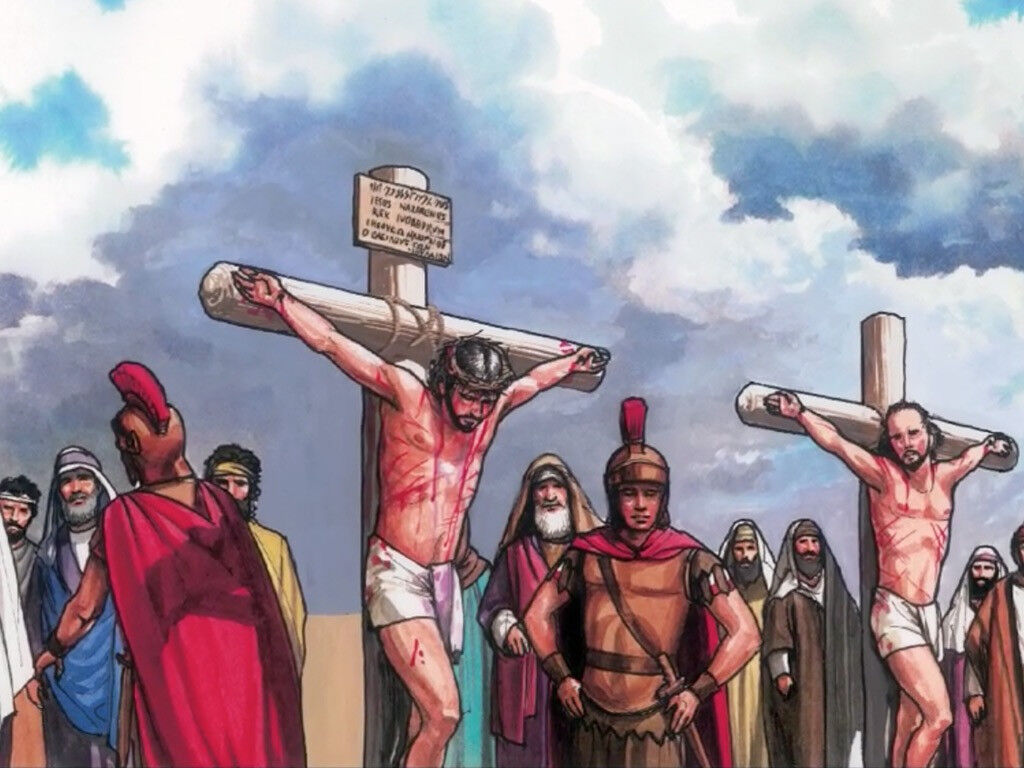
Being at peace with everyone means learning to swallow our pride and anger. It means we take control of our own words and actions and speak only that which is “true, noble, right, pure, lovely, admirable, and anything that is excellent or praiseworthy” (Phillipians 4:8). We must remember that our value does not come from the words and actions of others. Our worth comes from YHWH. It is only when we start to seek our value from the words and actions of others that peace fades away. Consider this, as Jesus was being persecuted, beaten, and crucified, people were hurling insults, accusations, and hate speech at him. His response was, “Father, forgive them, for they know not what they are doing” (Luke 23:34). He knew His Father, and He found his value in Him alone. 

In a world full of chaos and sin, it may feel impossible to consider being at peace with everyone. We must remember that the devil will lie, cheat, and deceive us into thinking our self-righteousness is essential and correct. The truth is that humility and submission to YHWH should be first before all things. It doesn’t mean we will get it right every time, but we must reflect on our actions, thoughts, and words. If anything is missing the mark, we must repent of our ways and turn to the One who can make us holy.

Being at peace with everyone starts with taking ownership of everything we do and saying and staying humble. As the Apostle Paul wrote to the church in Philippi, “Do nothing out of selfish ambition or vain conceit. Rather, in humility value others above yourself, not looking to your own interest but each of you to the interests of the others” (Philippians 2:3-14). It is also important that we remember that our battle is not with each other but against the prince of this world who uses lies, deceit, and selfish ambition to keep us from doing the will of God, which is to love our neighbor as we love ourselves. With that, let us “get rid of all bitterness, rage and anger, brawling and slander, along with every form of malice. Be kind and compassionate to one another, forgiving each other, just as Christ has forgiven us” (Ephesians 4:31-32).

What Will You Give Up?

“Make every effort to enter through the narrow door, because many, I tell you, will try to enter and will not be able to” (Like 13:24). Many will try, but few will make it. The price of being saved is more than many will want to bear. We tend to think that all it takes is to believe in Jesus, and that’s it. However, there is a harsh reality that most do not want to acknowledge. YHWH wanted the same devotion from the Israelites that He wants from us today. Salvation is much more than just believing in Jesus. It is a devotion and submission to YHWH unlike any other. The question is: What are you willing to give up to enter through the narrow door? Many will try, but only some will make it.

This life is but a breath, once here and the next gone. “Why, you don’t even know what will happen tomorrow. What is your life? You are a mist that appears for a little while and then vanishes” (James 4:14). We get consumed with wanting to have everything in this world, forgetting that our time here is a sliver of eternity. Jesus talked about this as he preached to the crowds of people who followed him. “Indeed, it is easier for a camel to go through the eye of a needle than for someone who is rich to enter the kingdom of God” (Luke 18:25). The more we cling to the things of this world, the less likely we are to give them up to follow Jesus. This is why Jesus said, “Do not store up for yourselves treasures on earth, where moths and vermin destroy, and where thieves break in and steal. But store up for yourselves treasures in heaven. For where your treasure is, there your heart will be also” (Matthew 6:19-20a, 21).

In the book of Ezra, we are shown what happens when we neglect the teachings and precepts of God. The nation of Israel was taken into captivity by the Persian Empire. However, the Lord moved the heart of King Cyrus, and the king gave the Israelites permission to go back to Jerusalem and rebuild the temple of YHWH. After some setbacks and other kings who disagreed with King Cyrus, the Israelites finally finished the work and were back in Jerusalem as a nation. However, there was a significant problem. Many of the men throughout the tribes of Israel had disobeyed the commands of the Lord and intermarried with other surrounding nations. Israel was called to be set apart. They were to abstain from being involved with other pagan nations. This was the command of the Lord. When Ezra brought the nation of Israel back to Jerusalem and heard that many men throughout the tribes had intermarried with outside nations, he ripped his clothes, threw himself to the ground, and cried out to God in shame and disgrace.

The nation of Israel once again chose to ignore God’s commands and followed after their desires. The consequence of their choices was to send away the women and children who were from different nations. In other words, the men who intermarried had to send their wives and children away, never to be seen or heard from again. The men who chose to stay with their wives and children had to sell all their property, which meant they lost all their inheritance and rights as Israelites. The consequence was harsh, but the lesson was real. When we neglect the commandments and precepts of God, we set ourselves up for failure and hardship. If we hold on too tightly to the things of this world, we lose our inheritance in God’s kingdom.

Jesus made it very clear what it looks like to be His disciple. “If anyone comes to me and does not hate father and mother, wife and children, brothers and sisters – yes, even their own life – such a person cannot be my disciple. And whoever does not carry their cross and follow me cannot be my disciple” (Luke 13:26-27). Another version puts it this way, “You cannot be my disciple, unless you love Me more than you love your father and mother, your wife and children, and your brothers and sisters. You cannot follow me unless you love Me more than you love your own life” (Contemporary English Version). This doesn’t mean we don’t love our family and those closest to us. What it does mean, however, is that we love and follow Christ more than we do those closest to us.

The commands and precepts of YHWH take precedence over everything and everyone else in our life. They take precedence over political affiliations and ideologies. They take precedence over parents’ wants and desires. They take precedence over our spouses’ wants and desires. There should be nothing in our lives that comes before the commands and precepts of God. To follow Christ and be His disciple is to deny ourselves and those around us, take up our cross, and follow Him.

The price of following Christ is hatred from the world. “If the world hates you, keep in mind that it hated me first. If you belonged to the world, it would love you as its own. As it is, you do not belong to the world, but I have chosen you out of the world. That is why the world hates you” (John 15:18-19). We should genuinely consider our allegiance to Christ if we find ourselves without opposition from the world. We must ask ourselves: “What am I hanging onto too tightly that I should let go of?” As Jesus said, “Enter through the narrow gate. For wide is the gate and broad is the road that leads to destruction, and many enter through it. But small is the gate and narrow the road that leads to life, and only a few find it” (Matthew 7:13-14).

Whenever I read Jesus’ words about the narrow gate, I can’t help but think of firefighter training. When I was a firefighter, we had to do training that forced us into very small spaces. The narrowness of some openings forced us to push and wiggle our way through. If we had anything extra on our person, we had to either take it off and leave it behind or push it in front of us. Some of these areas were so small that we would have to take off our air packs and push them in front of us to get through certain openings. The way to Christ is much the same thing. There is no room for extra items. Jesus is our airway and the only thing that will fit through the entrance to eternity with Him. We must “throw off everything that hinders and the sin that so easily entangles” us.

Francis Chan showed a great example of what our lives look like compared to eternity (link to the video below). He had a long white rope, and at one of the ends of the rope, he had about an inch of red tape wrapped around it. He explained that the rope represented eternity, and the red tape was our life. We spend so much time thinking only within the confines of our life that we neglect to see the eternal time that lies beyond. Our wealth, toys, relationships, and things are nothing compared to the amount of time we will spend in eternity. But we must be willing to let go of everything we hold on to so tightly to become Christ’s disciples.

To be called a child of God is to put Him first in everything. We must put aside family, friends, loved ones, and even ourselves to obey and follow Him. We listen to His words only. We do not make accommodations for sin in our life or make excuses for sin in our life. We must do what is right, no matter the cost. The cost of being Christ’s disciple is hatred from the world, but the amount of time we have in life is nothing compared to the time we will have in eternity. Let us run, therefore, with our eyes focused on the finish line. Let us not be tempted to hold on to the things of this world. May we love the Lord our God more than we love the things of this world.

Francis Chan – Rope

Refuge

The Bible uses the word “Refuge” eighty-eight times, with over half coming from the book of Psalms. A refuge is defined as “a condition of being safe or sheltered from pursuit, danger, or trouble” (Oxford Dictionary). With this definition, it’s no wonder Psalms account for over half of the word’s usage. For most of his life, David was pursued by Saul and feared for his life. When life becomes troubled and overwhelming, where do you find your refuge?

There is something to be said for the number of times psalmists proclaim YHWH is their refuge:

“The Lord is a refuge for the oppressed, a stronghold in times of trouble” (Psalms 9:9).
“Keep me safe, my God, for in you I take refuge” (Psalms 16:1).
“God is our refuge and strength, an ever-present help in trouble” (Psalms 46:1).
“Have mercy on me, my God, have mercy on me, for in you I take refuge. I will take refuge in the shadow of your wings until the disaster has passed” (Psalms 57:1).
“If you say, ‘The Lord is my refuge,’ and you make the Most High your dwelling, no harm will overtake you, no disaster will come near your tent” (Psalms 91:9-10).
“It is better to trust in the Lord than to trust in princes” (Psalms 118:9).

The list could go on. However, we should notice the importance of making God our refuge. The very first Psalm says that God is a refuge for the oppressed in times of trouble. The psalmist also mentions taking refuge in God until the disaster has passed. They also state that no harm will overtake you when you take refuge in the Lord. Finally, taking refuge in the Lord is better than trusting others. So the question remains, who do you take refuge in when life seems to be falling apart?

People take refuge in many different things such as relationships, drugs, alcohol, fame, family, social media, etc. The problem with choosing these as a refuge is that they collapse and fall under the weight of the world. They also cause us more harm and create more worry, hurt, confusion, and chaos. When we seek something other than God amid the storms and chaos in our life, we end up further out to sea and even more lost. We want to feel safe and protected. We want the chaos and trouble to disappear.

When we take refuge in anything other than YHWH, we will find ourselves alone in troubles, trials, and danger. YHWH said, “Now where are their gods, the rock they took refuge in, the gods who ate the fat of their sacrifices and drank the wine of their drink offerings? Let them rise up to help you! Let them give you shelter! See now that I am He! There is no god besides Me. I put to death and bring to life, I have wounded, and I will heal, and no one can deliver you out of My hand” (Deuteronomy 32:37-39). There is only One who can sustain us through any trial or storm.

How do you take refuge in something you can’t see? Life is not a physical storm that you need to escape from and find shelter. Life is a mental, emotional, and spiritual journey that brings moments of stress, fear, anxiety, and feeling overwhelmed. No matter what physical structure you go into, these things will follow you. When we take refuge in YHWH, we run to him when our life feels overwhelming. To seek refuge in God, we come to Him in prayer and earnestness. We lay at His feet every fear, anxiety, worry, struggle, pain, frustration, and hurt. We look to Him as our strength when we don’t have any left. We look to Him as our shelter when our world seems consumed by torrential storms. We pick up His Word and read it to be reminded of God’s goodness, grace, compassion, and mercy. 

A refuge is something you run into. It is something designed to shelter you from the elements. In life, the storms are not physical, but instead, they are spiritual and mental. The storms are unseen, but they are definitely felt. God is the refuge we need to seek in times like these. We must run to Him to seek shelter. When life is uncertain, it is God who stays the same. When everything around us seems to be crumbling, it is God who stands true and strong. When we feel like we are drowning, God stands on the water’s surface with His hand outstretched to lift us out of the waters of uncertainty and fear. Nothing else in this life can bring peace and shelter like that of YHWH. 

There is one thing that I have found that causes the worst mental anguish in life – worry. The fear of uncertainty can ravage the mind and keep us from living a fulfilling life. Jesus spoke directly about worry:

“Therefore, I tell you, do not worry about your life, what you will eat or drink, or about your body, what you will wear. Isn’t life more than food and the body more than clothes? Look at the birds of the air; they do not sow or reap or store away in barns, and yet your heavenly Father feeds them. Are you not much more valuable than they? Can any one of you by worrying add a single hour to your life? And why do you worry about clothes? See how the flowers of the field grow. They do not labor or spin. Yet I tell you that not even Solomon in all his splendor was dressed like one of these. If that is how God clothes the grass of the field, which is here today and tomorrow is thrown into the fire, will he not much more clothe you—you of little faith? So do not worry, saying, ‘What shall we eat?’ or ‘What shall we drink?’ or ‘What shall we wear?’ For the pagans run after all these things, and your heavenly Father knows that you need them. But seek first His kingdom and His righteousness, and all these things will be given to you as well. Therefore do not worry about tomorrow, for tomorrow will worry about itself. Each day has enough trouble of its own” (Matthew 6:25-34).

There is nothing that is outside of God’s control. When we think everything is out of control, we fail to seek and trust in Him. It doesn’t matter how bad the world may seem, we must learn to take refuge in God. 

Consider the life of Christ. He knew His purpose in life: to die for all humanity and restore the relationship between humanity and God the Father. To do this, Christ had to go through agonizing torment mentally, spiritually, and physically. The closer he got to His impending doom, the more anguish he felt. In the garden of Gethsemane, Matthew writes about Jesus’s last few moments before He is arrested. Jesus knows what’s about to happen, so He takes three of His closest disciples and heads into the garden to pray. Jesus tells his disciples, “Sit here while I go over there and pray. My soul is overwhelmed with sorrow to the point of death. Stay here and keep watch with me” (Matthew 26:36b, 38). Jesus was overwhelmed. He felt the stress of what was about to happen. He didn’t go hang out with his friends. He didn’t drink away his worry. He went into a garden and prayed. 

Matthew continues, “Going a little further, he fell with his face to the ground and prayed, ‘My Father, if it is possible, may this cup be taken from me. Yet not as I will, but as You will.'” (Matthew 26:39). Christ’s response to his mental anguish was to fall on the ground, face first, and seek God the Father. He took refuge in Him. He ran to his Father, the only One who could genuinely shelter Him in His time of agony. He asked to be spared from what was about to happen to Him. However, he didn’t finish His prayer with that request. He finished by submitting to His Father’s will. 

When Jesus came back to His disciples, He found them sleeping. Jesus said, “Couldn’t you men keep watch with me for one hour? Watch and pray so that you will not fall into temptation. The spirit is willing, but the flesh is weak.” The men Jesus chose to come with Him into the garden fell asleep. They were not there to support and encourage Him. This is what happens when we decide to take refuge in people or relationships. People will fail us, but God never fails us. 

Two more times, Jesus went into the garden and prayed that His Father would take away the physical pain and torment that was about to fall on Him. However, he finished His prayer with submission to His Father every time. Luke writes, “He withdrew (from His disciples) about a stone’s throw beyond them, knelt and prayed, ‘Father, if you are willing, take this cup from me; yet not my will, but yours be done.’ An angel from heaven appeared to Him and strengthened Him. And being in anguish, he prayed more earnestly, and His sweat was like drops of blood falling to the ground” (Luke 22:41-43).

Jesus sought refuge in God the Father. He earnestly sought after Him in prayer. Did God remove the cup that Jesus had to drink from? No, but He strengthened Him in his time of despair and anguish. A refuge doesn’t stop the storm. It keeps you safe while you’re in it. Jesus knew the only way to restore the relationship between humanity and YHWH was to endure suffering, torment, anguish, and death. We take this for granted because if God removed the cup from Jesus, you and I would have to pay the price Christ paid for the world. Jesus suffered so that we wouldn’t have to. Thank you, Jesus.  

When life feels overwhelming, unbearable, and unfair, and worry sets in, take refuge in YHWH. Only He can sustain you and give you strength as you weather the storm. Just as Jesus fell to the ground and prayed, follow His example and seek after God. 

“I can face my darkest night
‘Cause I trust You with my life
I’m not afraid, for You are my refuge
When it’s heavy on my chest
You’re the place I catch my breath
You are the only one I hold onto
Oh, ’cause You are my refuge.”
(Refuge by Skillet)

Compare Yourself

We are always told that we should never compare ourselves to others; the only person we should compare ourselves to is the person we were yesterday. I do believe in the latter statement. However, there is someone we should constantly be comparing ourselves to. We are not comparing who is better looking or who is stronger. We are comparing our actions, words, and way of life. There is only one we should be comparing ourselves to: Jesus Christ.

The Apostle Paul wrote, “We are all sinners and have fallen short of the glory of God” (Romans 3:23a). This is why we cannot compare ourselves to each other. Each of us fails to live a good life. We all struggle in our own ways, and comparing ourselves to each other is like the blind leading the blind. This means we need someone who has shown us how to live and what it looks like to live right. Only one individual has given us this example and even stated, “I have set you an example that you should do as I have done for you” (John 13:15). Jesus Christ is our example. It is He alone that we should be comparing ourselves to.

We should ask ourselves: “How do my actions compare to those of Christ? How do my words compare to those of Christ? How does my way of thinking compare to that of Christ? How does my submission to YHWH compare to how Christ submitted to His Father?” These are what we should be comparing ourselves to. The Apostle Paul states in his letter to the Ephesians, “Follow God’s example, therefore, as dearly loved children and walk in the way of love, just as Christ loved us and gave himself up for us as a fragrant offering and sacrifice to God” (Ephesians 5:1-2). Jesus Christ is the ultimate example of how we should be living. 

The Apostle Peter wrote, “Therefore, with minds that are alert and fully sober, set your hope on the grace to be brought to you when Jesus Christ is revealed at His coming. As obedient children, do not conform to the evil desires you had when you lived in ignorance. But just as he who called you is holy, so be holy in all you do; for it is written: ‘Be holy, because I am holy.'” (1 Peter 1:13-16). How can we know what holy is if we never compare our ways of living to the One who is holy? The Apostle John wrote, “Whoever says, ‘I know him,’ but does not do what he commands is a liar, and the truth is not in that person. But if anyone obeys His word, love for God is truly made complete in them. This is how we know we are in Him: Whoever claims to live in Him must live as Jesus did” (1 John 2:4-6). 

Our daily living should be compared to how Jesus Christ lived his life. Do we love as He loved? Are we willing to sacrifice for others? Do we spend time in prayer alone with YHWH? Are we willing to follow in His footsteps and do what He has commanded? If we can say yes to that, we should constantly compare our life to His. 

We will not always get it right. Referring back to the Apostle Paul again, “We have all sinned and have fallen short of the Glory of God.” This doesn’t give us an excuse to stop trying. Instead, it should spur us on to “fight the good fight of faith” (1 Timothy 6:12a). This is why Paul also writes, “Therefore, my dear friends, as you have always obeyed – not only in my presence but now much more in my absence – continue to work out your salvation with fear and trembling, for it is God who works in you to will and to act to fulfill His good purpose” (Philippians 2:12-13). And again, Paul writes to the Corinthians, “Do you not know that in a race all the runners run, but only one gets the prize? Run in such a way as to get the prize. Everyone who competes in the games goes into strict training. Therefore, I do not run aimlessly or fight like a boxer beating the air. No, I strike a blow to my body and make it my slave so that after I have preached to others, I will not be disqualified for the prize” (1 Corinthians 9:24-25a, 26-27).

Those of us who have accepted Jesus Christ as the Lord of our lives are still called to strive to be like Him. This means we should be in constant reflection of who we are, what we do, and what we say as compared to Christ. The beauty of being in Christ is that when we fail at being like Him, He sustains us and allows us to try again. The curse of sin keeps us from succeeding 100% of the time. As the Apostle James wrote, “We all stumble in many ways. Anyone who is never at fault in what they say is perfect, able to keep their whole body in check” (James 3:2). This is the curse of sin on humanity, and this is why Jesus needed to come and die. He gave us an example of who we should have been before the fall of man. 

We must always be in reflection on how we live our lives. As the Psalmist writes, “I meditate on your precepts and consider your ways” (Psalms 119:15). To be more like Christ, we must study and learn His ways. The disciples lived lives that mirrored Christ’s because they were with Him, followed Him, and watched Him. Jesus might not be physically present, but He is with us through the Holy Spirit. We have a written record of His life from four dynamically different perspectives. To be like Christ, we must study, seek, and pursue Him. As Jesus Christ said, “I am the vine; you are the branches. If you remain in me and I in you, you will bear much fruit; apart from me you can do nothing” (John 15:5). Unless we fervently seek after Jesus, we will never know how we should live our lives.

Do not compare your life to those around you. Compare your life to the only One who gave us the perfect example of how we should live. If you are unsure what Christ’s life was like, I encourage you to grab a Bible and read John. This is a significant first step to understanding what your life should look like. If you are like me and accepted Christ when you were young but have neglected your relationship with Him and forgotten what living for Him looks like, I encourage you to grab your Bible and reread it. Dive into the extraordinary story of Jesus, the disciples, the Apostle Paul, David, and many others. Go back to what you once knew and relearn the amazing lessons and convictions of our amazing God! It’s never too late to redirect our focus back to Christ. If we still have breath in our lungs, God is giving us another opportunity to live for Him and be like Him. 

“Therefore, since we are surrounded by such a great cloud of witnesses, let us throw off everything that hinders and the sin that so easily entangles. And let us run with perseverance the race marked out for us, fixing our eyes on Jesus, the pioneer and perfecter of faith. For the joy set before him he endured the cross, scorning its shame, and sat down at the right hand of the throne of God” (Hebrews 12:1‭-‬2).

You Were Warned

Many Christian sects like to state that Jesus was a pacifist. He taught us to love others and sacrifice oneself for our friends. He turned the other cheek to the Roman soldiers who beat and abused him. He stayed silent when accused by the Jewish leaders. He told Peter to put away his sword when he defended Jesus at his arrest. He was never violent. Instead, he promoted peace with everyone. Have you ever stopped and asked yourself, “Why?” Why did Jesus encourage love and peace? Why did He live a pacifist lifestyle? There is a good reason why Jesus taught, lived, and promoted the pacifist lifestyle. However, there is something that many people miss when reading and understanding Christ Jesus. He warned of impending judgment that would not go well for those who did not follow and believe in the Son of God.

Jesus taught love. He lived love. He loved the sinner, the disabled, the demon-possessed, the sick, and many others. He lived his life in service to humanity. He taught us to love each other and to serve each other. He was the perfect example of what it looked like to live a life utterly devoted to God. He chose to submit to His Father’s authority and do his works. Everything Jesus did is what the Israelites were called to do in the Law. Jesus fulfilled the Law perfectly. He loved the world because he knew why the world was suffering. 

The disciple John wrote, “For God so loved the world that He gave His one and only Son, that whoever believes in him shall not perish but have eternal life. For God did not send his Son into the world to condemn the world, but to save the world through him. Whoever believes in Him is not condemned, but whoever does not believe stands condemned already because they have not believed in the name of God’s one and only Son” (John 3:16-18). We tend to read verses 16 and 17 but neglect verse 18. Those who do not believe are condemned already. The purpose of Christ’s life was to bring the world to Him. He did not come to condemn the world but to save it. However, condemnation remains on everyone who chooses to reject Jesus.

Condemnation has multiple definitions in the bible, but in the circumstance of John 17 and 18, it refers to judgment. This means that judgment remains on everyone who chooses to reject Jesus Christ. The purpose of Jesus’s life was to open the door to salvation and a whole relationship with God the Father through His Son. Jesus didn’t need to live an aggressive life, as that would have been counterintuitive to the purpose of His life. The truth is that Jesus knew what would happen to those who chose to reject Him. His Father was clear about the consequences of not listening to and abiding in His Son.

As Jesus sent out his disciples, He said this regarding those who reject Him:

“But when you enter a town and are not welcomed, go into its streets and say, ‘Even the dust of your town we wipe from our feet as a warning to you. Yet be sure of this: The kingdom of God has come near.’ I tell you, it will be more bearable on that day for Sodom than for that town. Woe to you, Chorazin! Woe to you, Bethsaida! For if the miracles that were performed in you had been performed in Tyre and Sidon, they would have repented long ago, sitting in sackcloth and ashes. But it will be more bearable for Tyre and Sidon at the judgment than for you. And you, Capernaum, will you be lifted to the heavens? No, you will go down to Hades. Whoever listens to you listens to me; whoever rejects you rejects me; but whoever rejects me rejects Him who sent me.” (Luke 10:10-16)

Jesus was clear of the impending doom of those who rejected Him. Judgment awaits all those who reject Him. You see, Jesus didn’t need to Judge the world. The world will determine if they are judged based on their acceptance and belief in Christ Jesus. Paul talks about the day of God’s wrath:

“But because of your stubbornness and your unrepentant heart, you are storing up wrath against yourself for the day of God’s wrath, when his righteous judgment will be revealed. God will repay each person according to what they have done.’ To those who by persistence in doing good, seek glory, honor, and immortality, he will give eternal life. But for those who are self-seeking and who reject the truth and follow evil, there will be wrath and anger. There will be trouble and distress for every human being who does evil: first for the Jew, then for the Gentile; but glory, honor and peace for everyone who does good: first for the Jew, then for the Gentile. For God does not show favoritism.” (Romans 2:5-11)

The Apostle Peter also shares what is awaiting those who choose disobedience rather than obedience to the Father:

“But there were also false prophets among the people, just as there will be false teachers among you. They will secretly introduce destructive heresies, even denying the sovereign Lord who bought them—bringing swift destruction on themselves. Many will follow their depraved conduct and will bring the way of truth into disrepute. In their greed, these teachers will exploit you with fabricated stories. Their condemnation has long been hanging over them, and their destruction has not been sleeping. For if God did not spare angels when they sinned, but sent them to hell, putting them in chains of darkness to be held for judgment; if he did not spare the ancient world when he brought the flood on its ungodly people but protected Noah, a preacher of righteousness, and seven others; if he condemned the cities of Sodom and Gomorrah by burning them to ashes, and made them an example of what is going to happen to the ungodly; and if he rescued Lot, a righteous man, who was distressed by the depraved conduct of the lawless (for that righteous man, living among them day after day, was tormented in his righteous soul by the lawless deeds he saw and heard)— if this is so, then the Lord knows how to rescue the godly from trials and to hold the unrighteous for punishment on the day of judgment. This is especially true of those who follow the corrupt desire of the flesh and despise authority.” (2 Peter 2:1-10)

Jesus’s life was about giving us an example by which to live. He was a pacifist in his interactions with the world because He lived the way God intended for us to live. As Jesus said, “I have set you an example that you should do as I have done for you” (John 13:15). Jesus knew that his life was meant to be everything we could never be. The ways of this world – the lust of the flesh, the lust of the eyes, and the boastful pride of life – create a world focused on selfishness, division, and sin. Jesus was beyond all of this. He chose to do what His Father commanded. He walked with His Father, obeyed Him to the point of death, and never wavered in his commitment to His Father’s commands. Even when sin scratched at the door, Jesus denied sin its power.

If the first commandment is to “Love the Lord your God with all your heart and with all your soul and with all your strength and with all your mind,” then Jesus’ lived it to its fullest. Love is not aggressive. Love is not controlling. Love is not angry. Paul stated what love really is, “Love is patient, love is kind. It does not envy, it does not boast, it is not proud. It does not dishonor others, it is not self-seeking, it is not easily angered, it keeps no record of wrongs. Love does not delight in evil but rejoices with the truth. It always protects, always trusts, always hopes, always perseveres. Love never fails” (1 Corinthians 13:4-8a). Jesus was the perfect example of love.

However, there comes a point in every person’s life where we will stand before the throne of God and be held accountable for everything we have done. For those who believe in Christ Jesus and seek to follow His example, judgment is passed over, as that judgment was already placed on Christ Jesus. But for those who reject Christ Jesus, the wrath of God will be poured out on them. 

You might say, “That’s not very loving,” and you would be right; it would be just. We are all given the opportunity to believe and follow Jesus. We are all given the opportunity to submit to the authority of YHWH. God gives each one of us a chance. His love is patient and kind. However, if we deny Him, we have chosen condemnation and judgment. 

It’s like telling a child not to touch a hot stove. The child can listen and submit to the parent’s authority and follow the instructions, or they can ignore the instruction and touch the hot stove. Now, did the parent or the child choose the punishment? If the child refuses to listen and obey what they have been told, they have chosen their judgment – burning their hands. The parent showed love by warning and explaining the consequences of what would happen if the child touched a hot stove – love always protects and is not self-seeking. The parent then allowed the child to make their own choices. A child is saved from pain when they listen and obey their parents’ instructions. The same goes for the world and God’s commandments and precepts. 

We have been warned of what will happen if we choose to continue to listen and follow the ways of this world. We have been told that we will select the wrath and judgment of God if we deny Jesus and choose not to follow and believe in Him. God’s love was shown in His Son. God’s wrath is saved for those who choose it.

Choose wisely this day whom you will serve!