
Speech is one of the most interesting and most powerful aspects of humanity. Even more so, speech can influence, persuade, inform, discourage, encourage, and much more. But most of all, speech is less about what you say, and more about how you say it. Something that was not meant to harm, can be taken as harmful. Something meant to encourage, might discourage. Something meant to instruct, might hinder progress. Ultimately, it is very rarely what someone says that is the issue, it is how they say it. This is why it is vital for leadership to pay attention to how they speak and be mindful of who they are speaking to. If leadership is about one person influencing another, then paying attention to how we say things, and to whom we say them, is of most importance.
Communication is a powerful tool, but when done poorly, it can lead to misunderstanding, confusion, and worse, broken relationships. It is crucial that we reflect on what and how we say something. As leaders, we need to remember that how we hear something in our head may not be how others hear it. In other words, know your audience. Know who you are talking to; and if you don’t know your audience, get to know them. Build relationships with those you lead. Find out everything you can about their personalities, likes and dislikes, and their story. If we take the time to invest in those we lead, we will know how to communicate effectively.
There is a difference between telling people what to do and inspiring people to do something. As a leader, our job should be to encourage staff to be their very best. We should inspire others to be leaders themselves. Simon Sinek said it best when he said, “ There are only two ways to influence human behavior: you can manipulate it or you can inspire it.” Leaders must inspire others to be the best versions of themselves. This inspiration comes only by building relationships, understanding who you are leading, and helping others become successful. Inspiration does not come from numbers, charts, and surveys. Inspiration can only come from intentionality and authenticity.
Finally, when communicating with staff, patrons, or whomever, never communicate and expect something of them that you would not expect from yourself. People can see through BS. As a leader, if you expect others to do something you wouldn’t be willing to do yourself, you will lose all credibility as a leader. Leadership is about helping others become the best versions of themselves by being the example to follow. If you are not willing to put in the hard work, sacrifice, and time it takes to be successful, then don’t expect it from others. This means leadership must hold themselves to a high standard, be willing to work hard and sacrifice, and be willing to step in and do what they expect their staff to do.
Remember, it’s not what you say that counts, it’s how you say it. How you communicate with those you lead will determine the success you see in your staff, business, and organization. Be intentional, authentic, and take time to understand who you are leading. Build positive relationships so that you know how to make what you say meaningful to those who are listening.




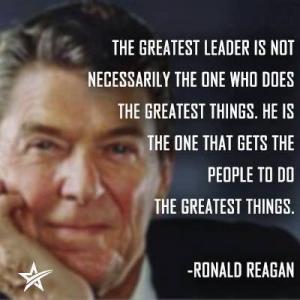 When you ask the right questions you receive much better answers in return. I mention that because it’s very challenging to lead people that you do not know. Knowing them requires consistent communication with them and questions are one of the most effective communication tools a leader has.
 Selfless Leadership Is Purposeful Leadership